“Every great architect is – necessarily – a great poet. He must be a great original interpreter of his time, his day, his age.”
Frank Lloyd Wright
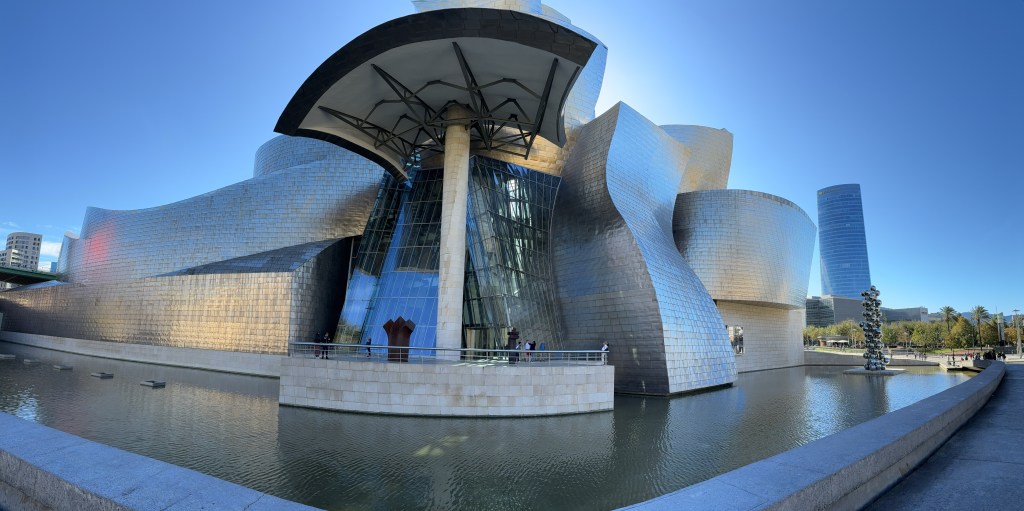
The city I knew the least about on this tour was Bilbao. I read about the oddly shaped titanium Guggenheim Museum, and if you took a Spain route for the Camino you’d pass through town. After my first night walking along the river front, I had a feeling this city had a lot of surprises… and it did.
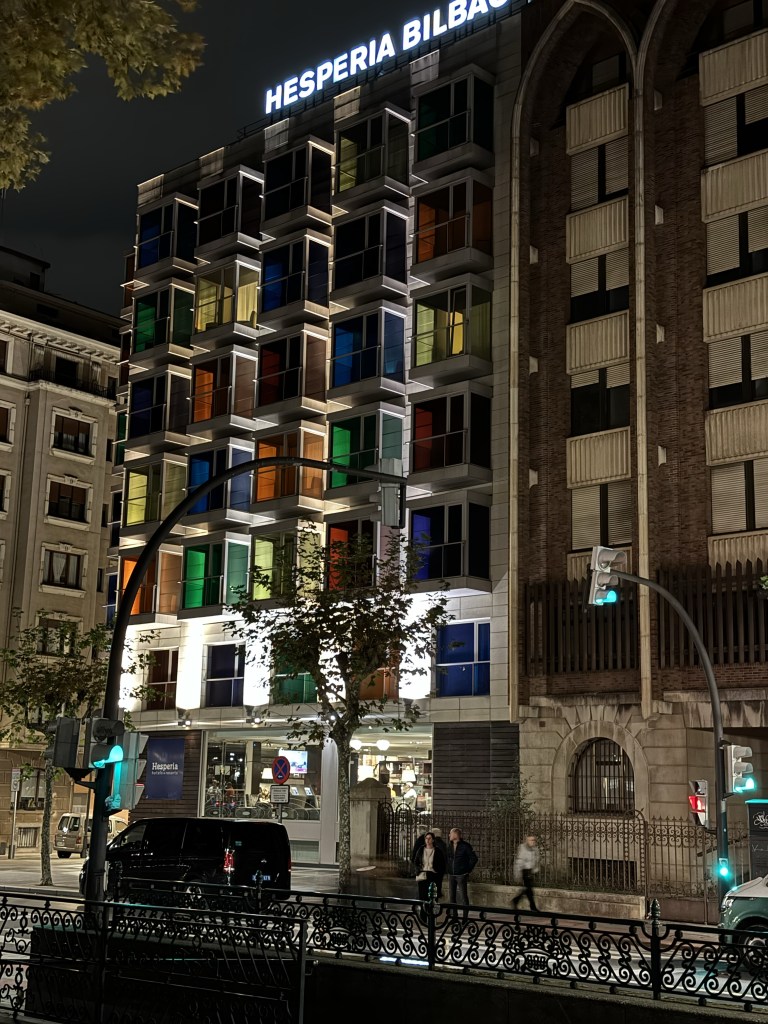
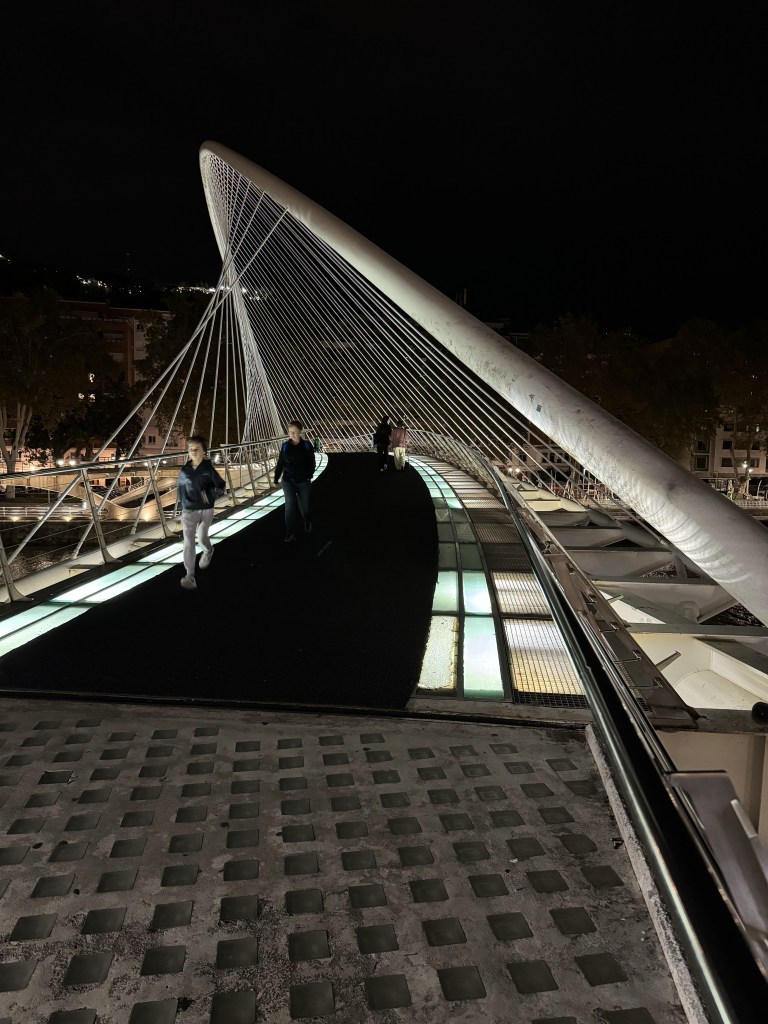
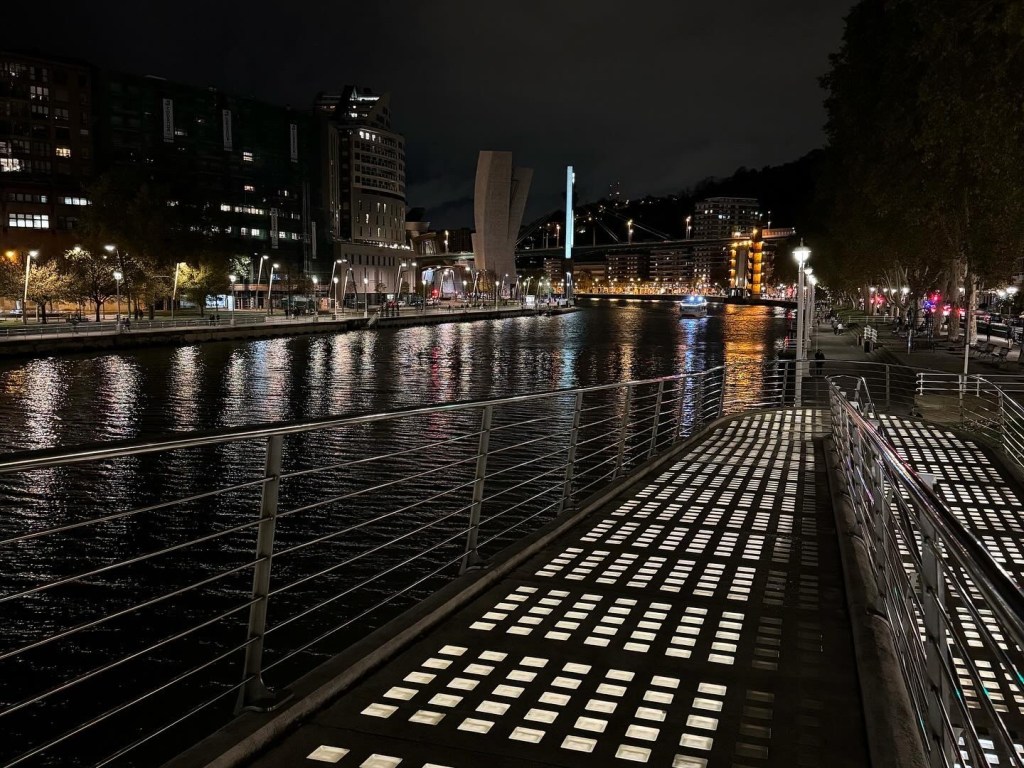

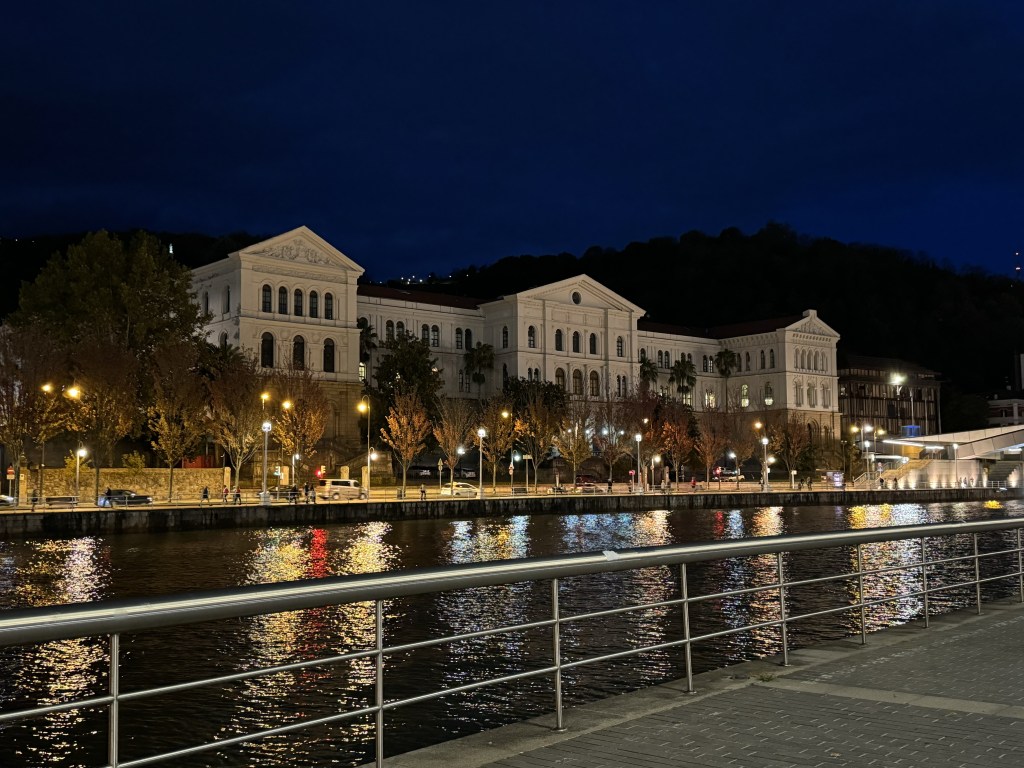
My first taste of being in the Basque Country, I immediately noticed many signs in both Spanish and Basque; for American tourists many speak English, but very few other things are translated for you. That’s okay. This city is one to explore, and everyone from our Smithsonian expert to the hotel staff told us how safe the city is to walk, in a group or alone. If you come to Bilbao, I would suggest getting a local guide. They can tell you so much more about this city than you will ever find in a tour book. I would love to come back, get a guide, and continue to explore.
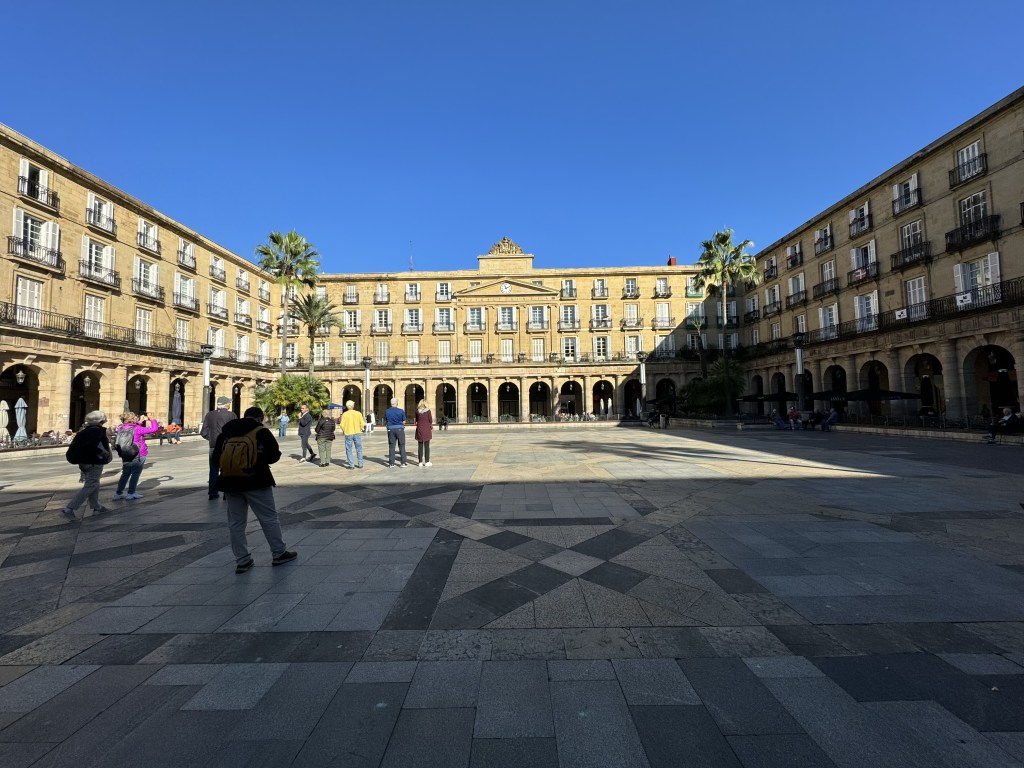
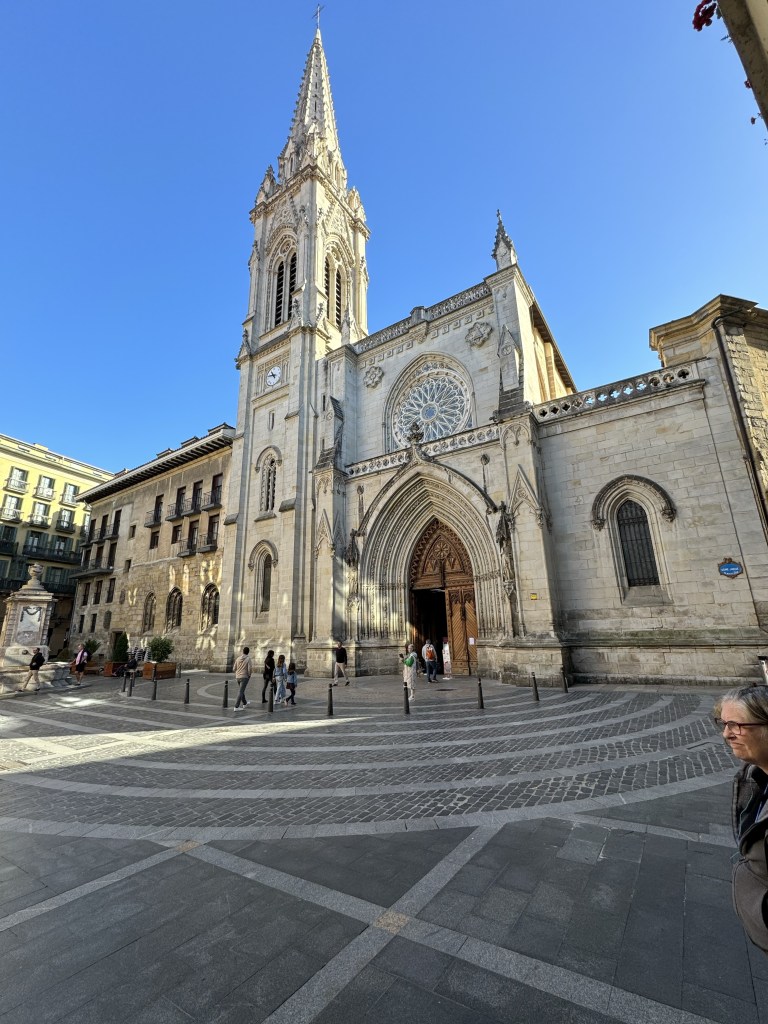
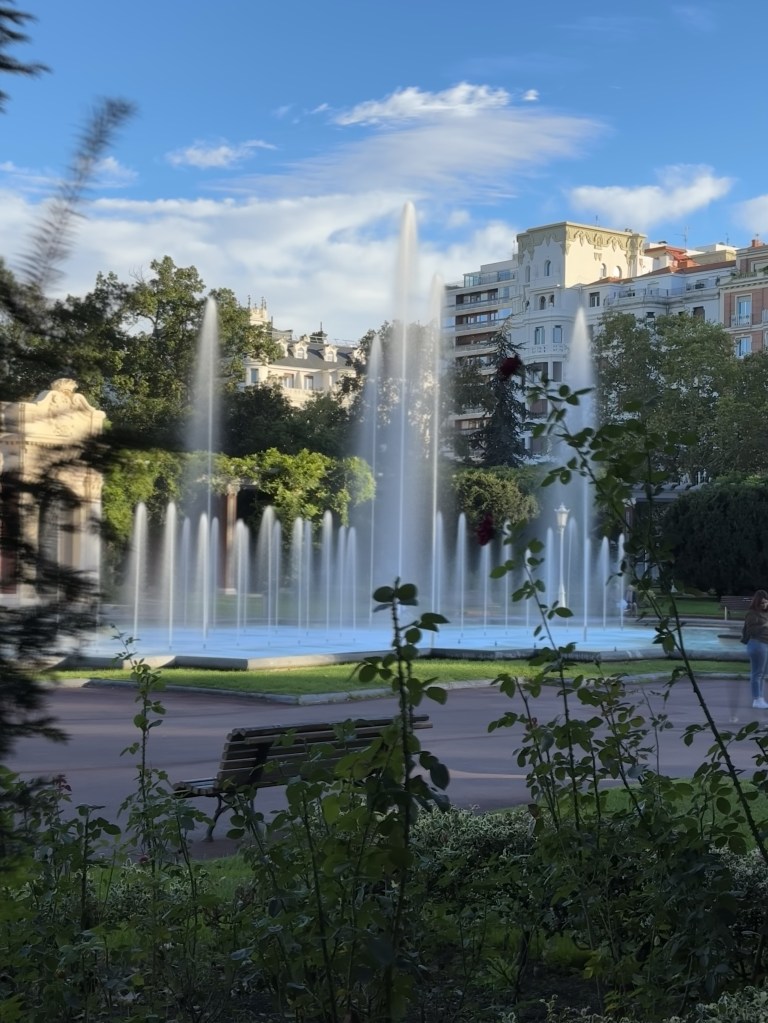
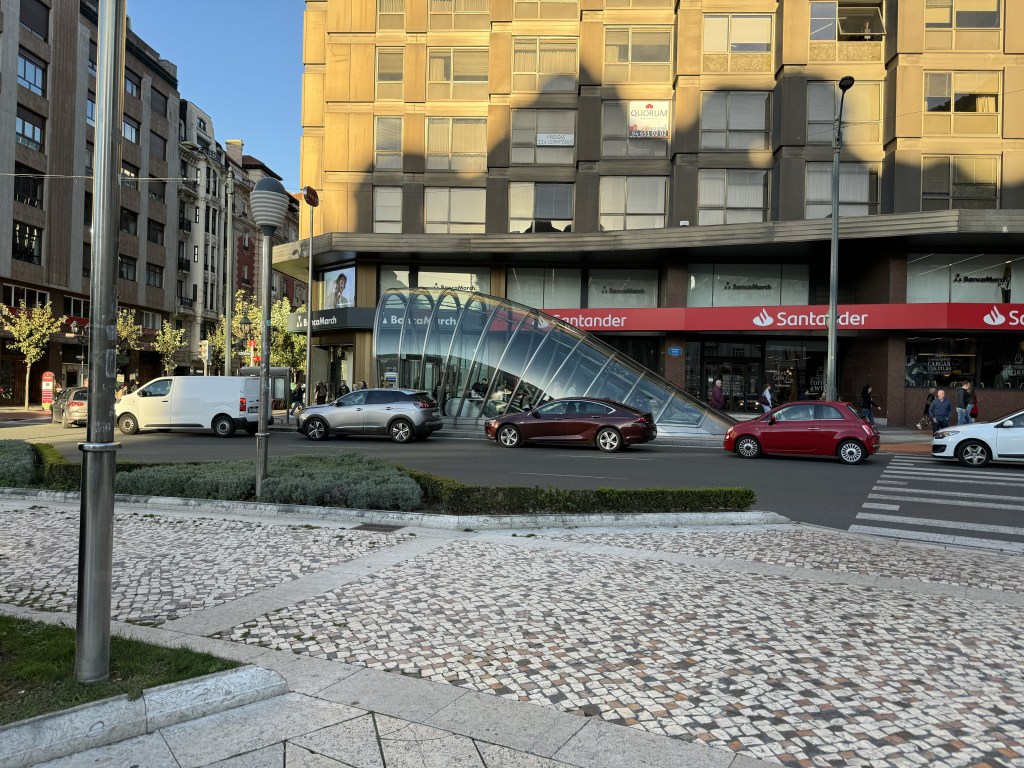
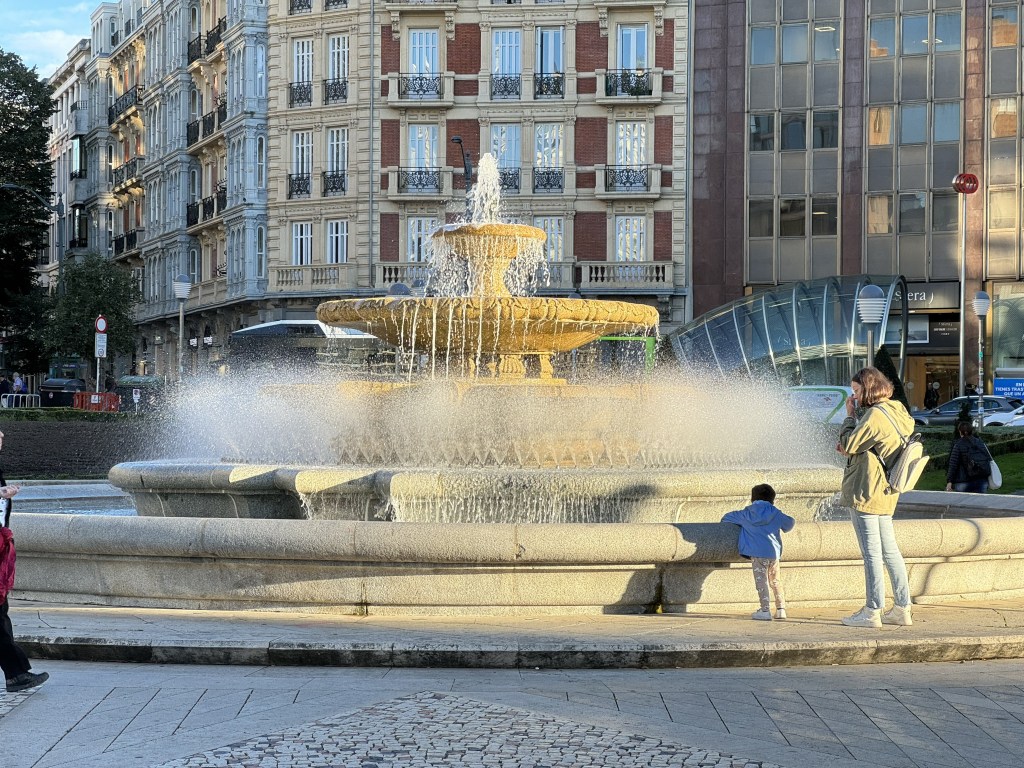
The city is a mix of old and new architecture, Spanish and Basque history, a lively food market, amazing public spaces, as well as a cheap and efficient public transit system.
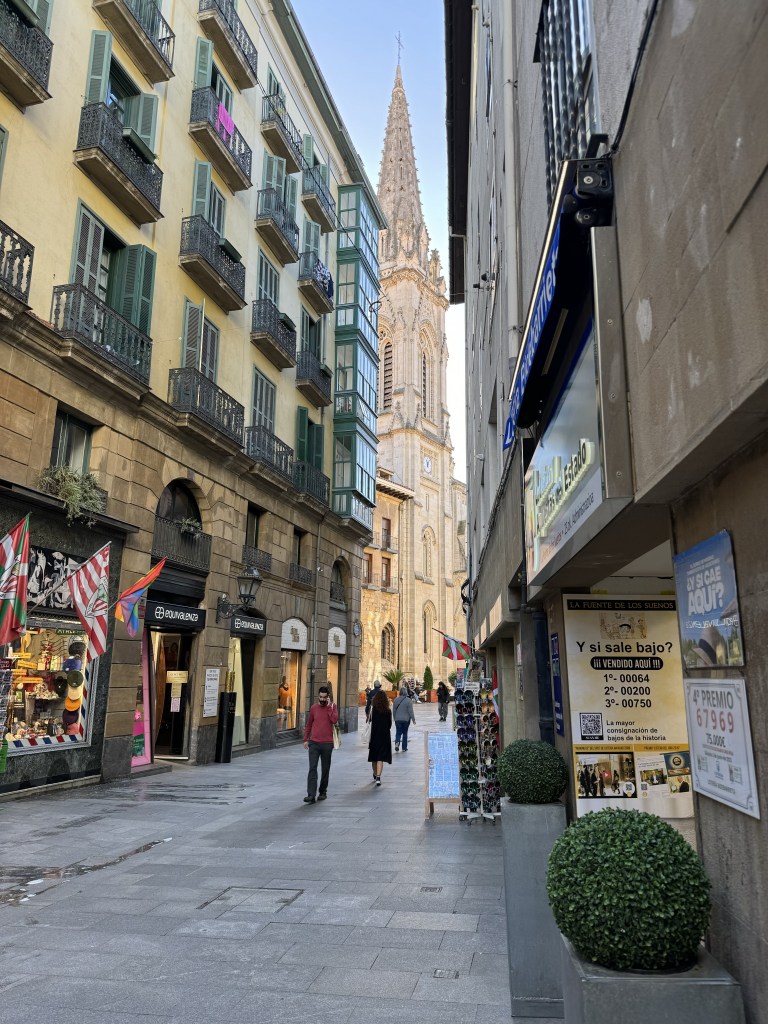
The old town is what you’d expect. With narrow streets that twist and turn. Boutiques, churches, and cafes mixed in with the residential flats. Cars and small delivery trucks are allowed on the street, but can only park up to 20 minutes to unload. You can look for the “cooking clubs” – private men’s clubs where they meet, drink, and cook. Women are now allowed, but not in the kitchen.

One of Europe’s largest food markets, Mercado de la Ribera, sits on the river at the edge of old town. It is full of life, and some of the most amazing fish, olives, cheeses, breads, and men. Yes – men, they are the primary cooks in the house, and they do a majority of the food shopping.


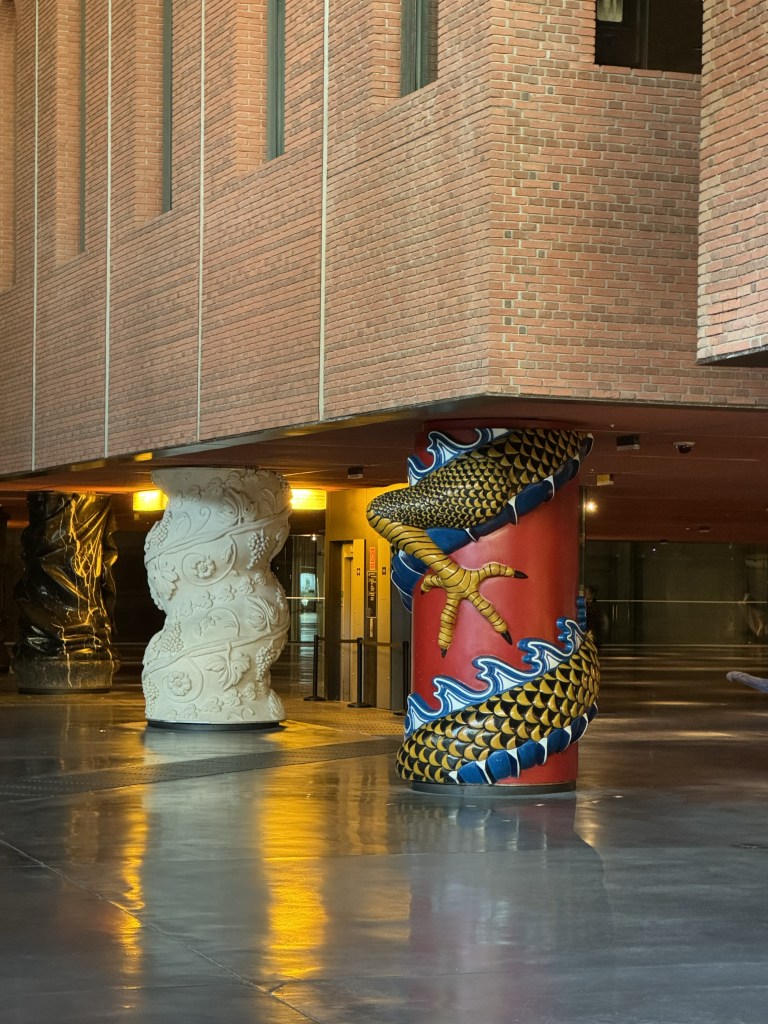
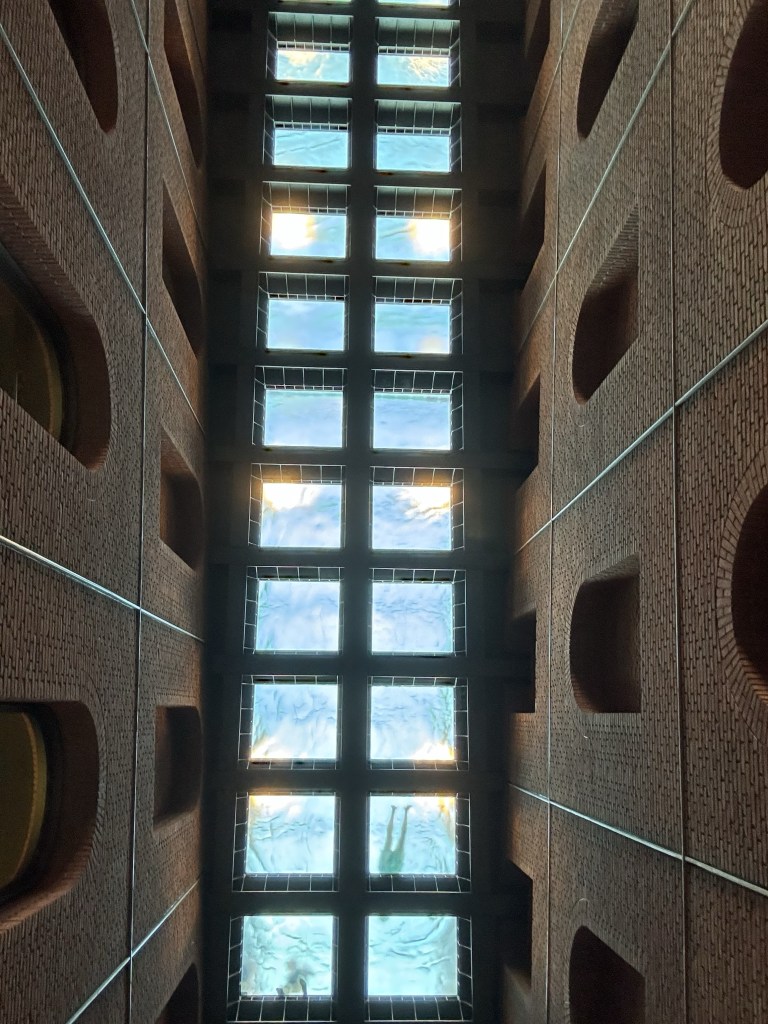
South of the Guggenheim in the city center you will find Azkuna Zentroa. The city converted this abandoned century old wine exchange into a public space for the residents. It has art, movie theater, shops, restaurants, and even a roof top pool. Look up and you’ll see swimmers. The membership is about €25 / mo for the pool.


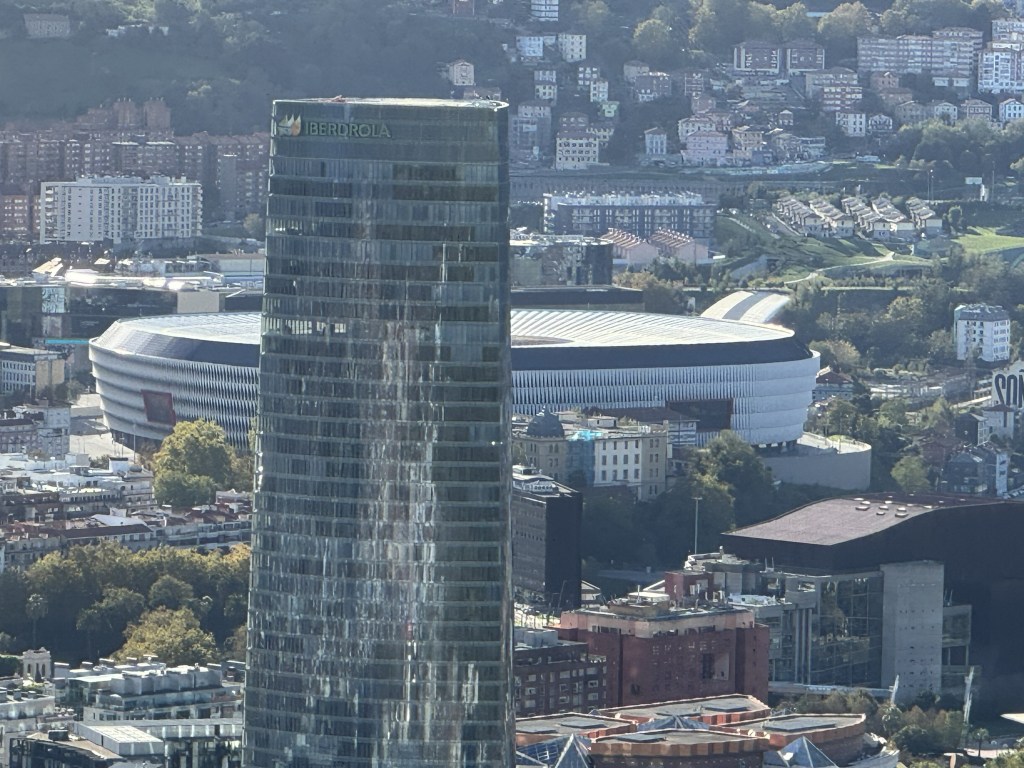
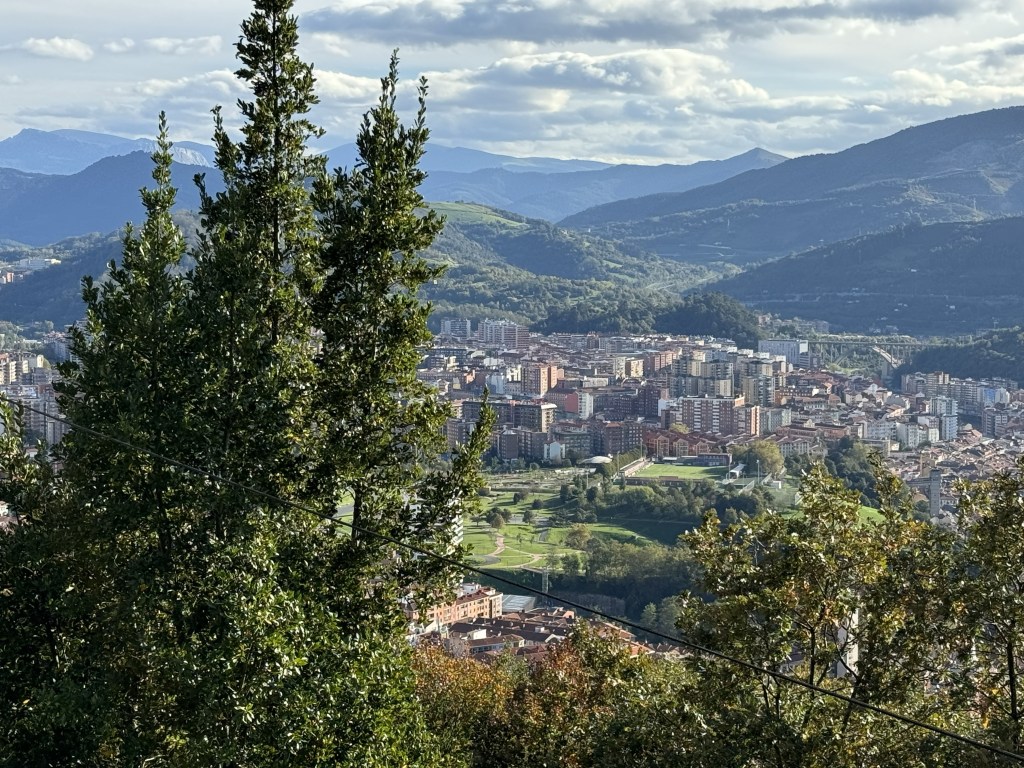
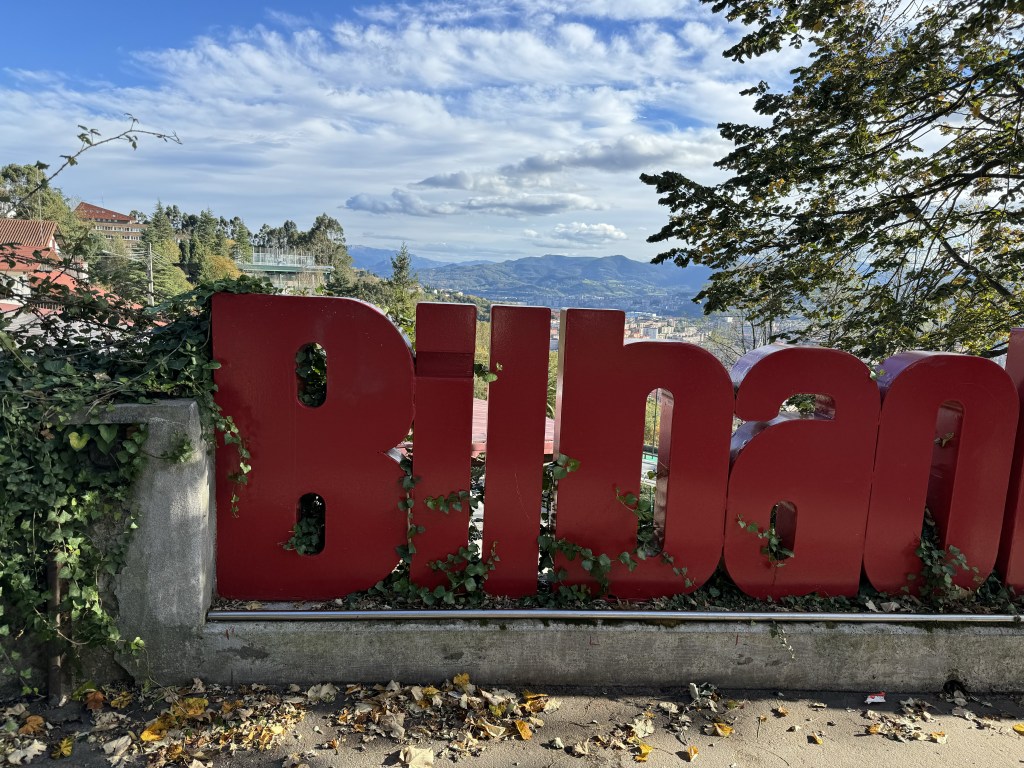
There is a funicular, €4 return trip from the city center. It will take you up the mountain for a spectacular view of the city. If you want a full aerial photo of the Guggenheim, its probably the only way, unless of course you are able to access one of the large skyscrapers in the city. We tried to go up, but they were on strike – that’s typical Europe. We grabbed a taxi instead. Uber is in Bilbao, but they are not as efficient as a cab. The cabs are cheaper than the US, but definitely not as cheap as Portugal.

Finally, a little less than 10 miles outside of the city is the Puente Bizkaia (or as I found it on google, Vizcaya Bridge). It is a transporter bridge, and the cars and people are carried across the river suspended just above the water by a cable system. Is is very unique. The ride across is cheap, and if you want to go to the top and walk across it’s €9,50. There is nothing like it that I know of in the US.

Here are some other pieces of knowledge I gained from our guide:
- The Guggenheim cost approximately €200M to build, and it was done at time when many in the area were suffering great economic hardship. The city recouped the costs in less than 4 years, and it put Bilbao on the map as a European destination.
- The US sister city of Bilbao is Pittsburgh. Both had great economic success and loss due to the steel industry. Both are being rebuilt into dynamic cities people want to visit.
- The Bilbao football team, Athletic Club, also known as Los Leones, is the only European team in which all members of the team must be “local”. The players must be native or have trained in the greater Basque Country. A real “home” team.
- They have one of the highest recycling rates in Europe with 80% of their trash being recycled. As you walk down some streets you see bins – blue, green, yellow, and brown. The brown bin is for compost materials. Each resident has a card with their name attached, and to use the brown bin, they scan their card to open it. If they put in items that are not permitted, they will receive a nasty email, but if they use the bin frequently enough, they get a 20% discount on their municipal taxes – a good email.

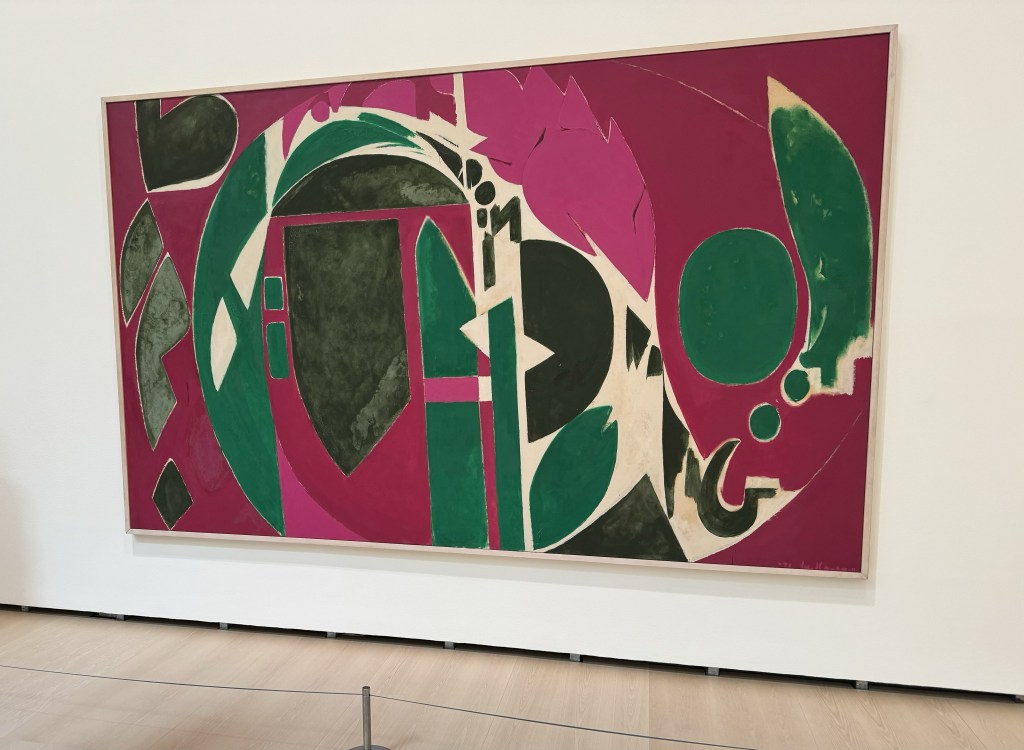
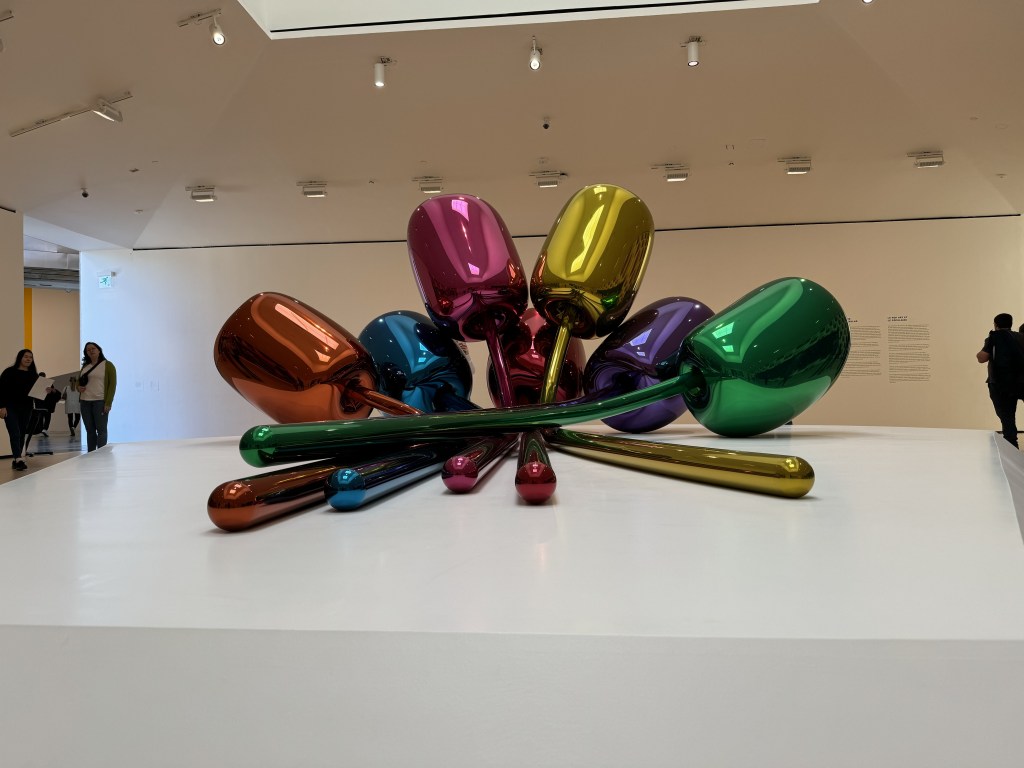


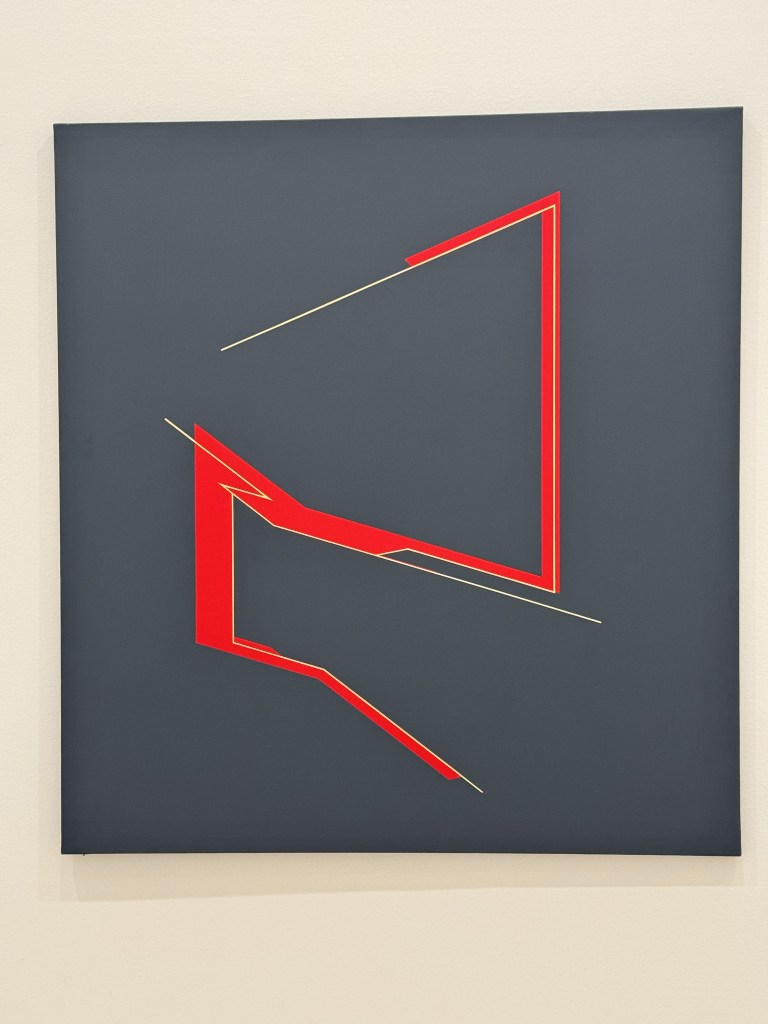
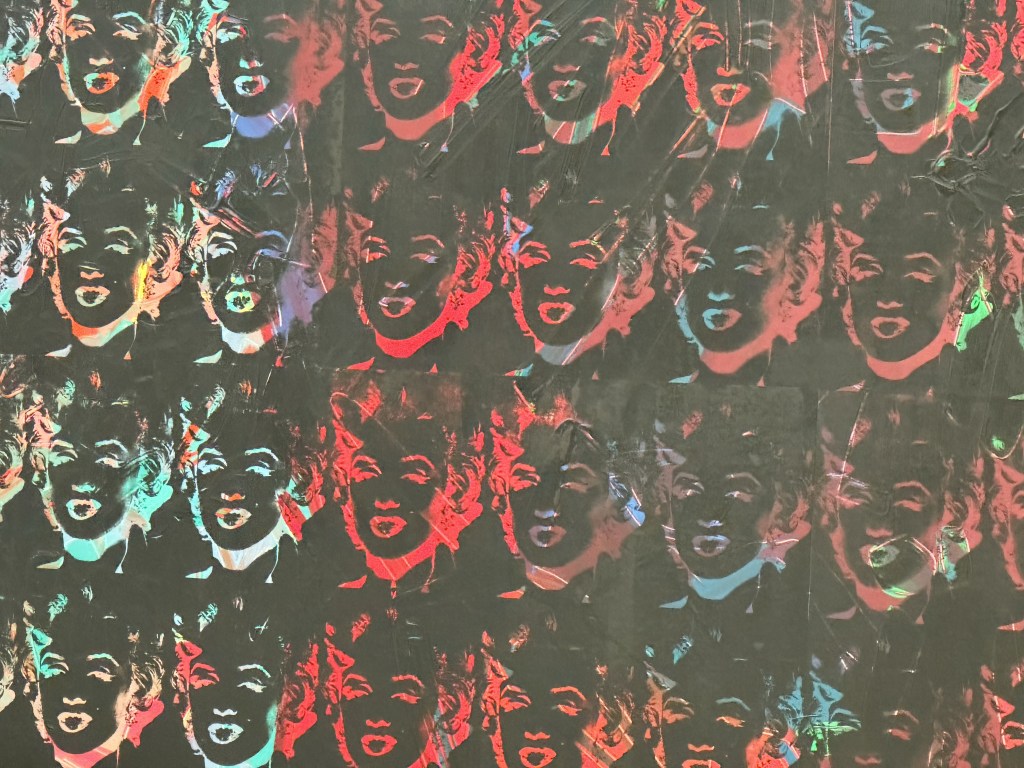



I could go on and on about this little gem in Spain, but I’ll leave the rest for you to discover on your own. In the morning we are headed to the Pyrenees, a few miles from the French border, high in the mountains for two nights. Light snow is predicted, and this 413 Girl is a bit excited to see snow after a sweltering summer.
Ciao 💕
 413 Girl Travels the World
You must be logged in to post a comment.